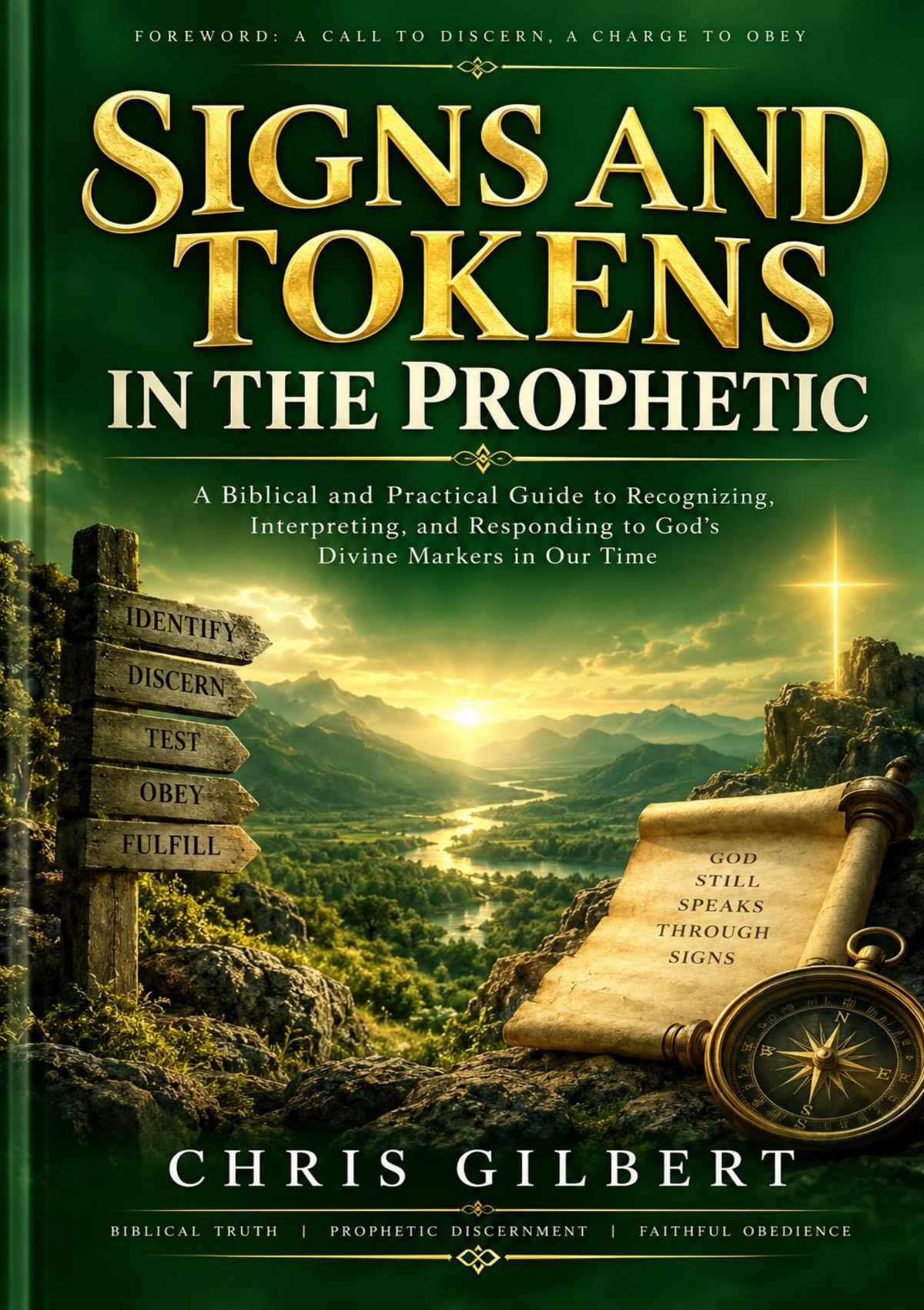
Signs and Tokens in the Prophetic
A Biblical and Practical Guide to Recognizing, Interpreting, and Responding to God's Divine Markers in Our Time
Chris Gilbert · 230 pages
Identify, discern, test, and obey: a Scripture-first guide to prophetic signs and tokens without superstition.
GH₵129.00
WhatsApp to a pastor
Pastor / prayer leader —

This week’s theme: Signs are servants, not masters.

*Signs and Tokens in the Prophetic* by Prophet Chris Gilbert (Spirit Impart Ministries).

Identify. Discern. Test. Obey. A sign must never become more important than the God it points to.

Free sample on the page. Full edition unlocks after MTN MoMo in Ghana or Liberia.

https://lumenpressbooks.com/books/signs-and-tokens-in-the-prophetic
Pulpit line
This week we commend Signs and Tokens in the Prophetic by Prophet Chris Gilbert — Spirit Impart Ministries. Free sample at lumenpressbooks.com. Pay with MTN MoMo.
Sample
Read or write a review of this book
Introduction: When God Points Beyond the Visible
A sign is never meant to become more important than the reality to which it points. A road sign matters because it directs the traveler toward a destination. A wedding ring matters because it embodies covenantal commitment. A memorial stone matters because it helps a community remember an act of God. In the same way, biblical signs are communicative: they point, witness, warn, confirm, memorialize, or call for response. The prophetic can become unhealthy when believers reverse that relationship. Instead of allowing signs to serve revelation, they make revelation serve signs. Every repeated number becomes a code, every bird a message, every dream a decree, every coincidence a prophecy, every unusual feeling a command. This approach does not produce mature sensitivity; it produces interpretive anxiety. The biblical model is more sober. God can use signs, but He has not authorized us to turn creation into a private divination system. A healthy theology of signs therefore requires four disciplines. First, identify the biblical category before assigning meaning. Second, interpret the sign within Scripture, context, and the known character of God. Third, test the interpretation through wisdom, fruit, community, and time. Fourth, respond proportionately. Some signs call for immediate obedience because the command is already biblical. Others only invite prayer, observation, or patient waiting. The chapters that follow move from biblical foundations to major sign categories, then to discernment, ministry practice, and church culture. The goal is not to make readers obsessed with signs. The goal is to make them mature enough that, when God genuinely gives a sign, they can receive it without exaggeration and when no sign has been
The full edition unlocks in your library after payment.