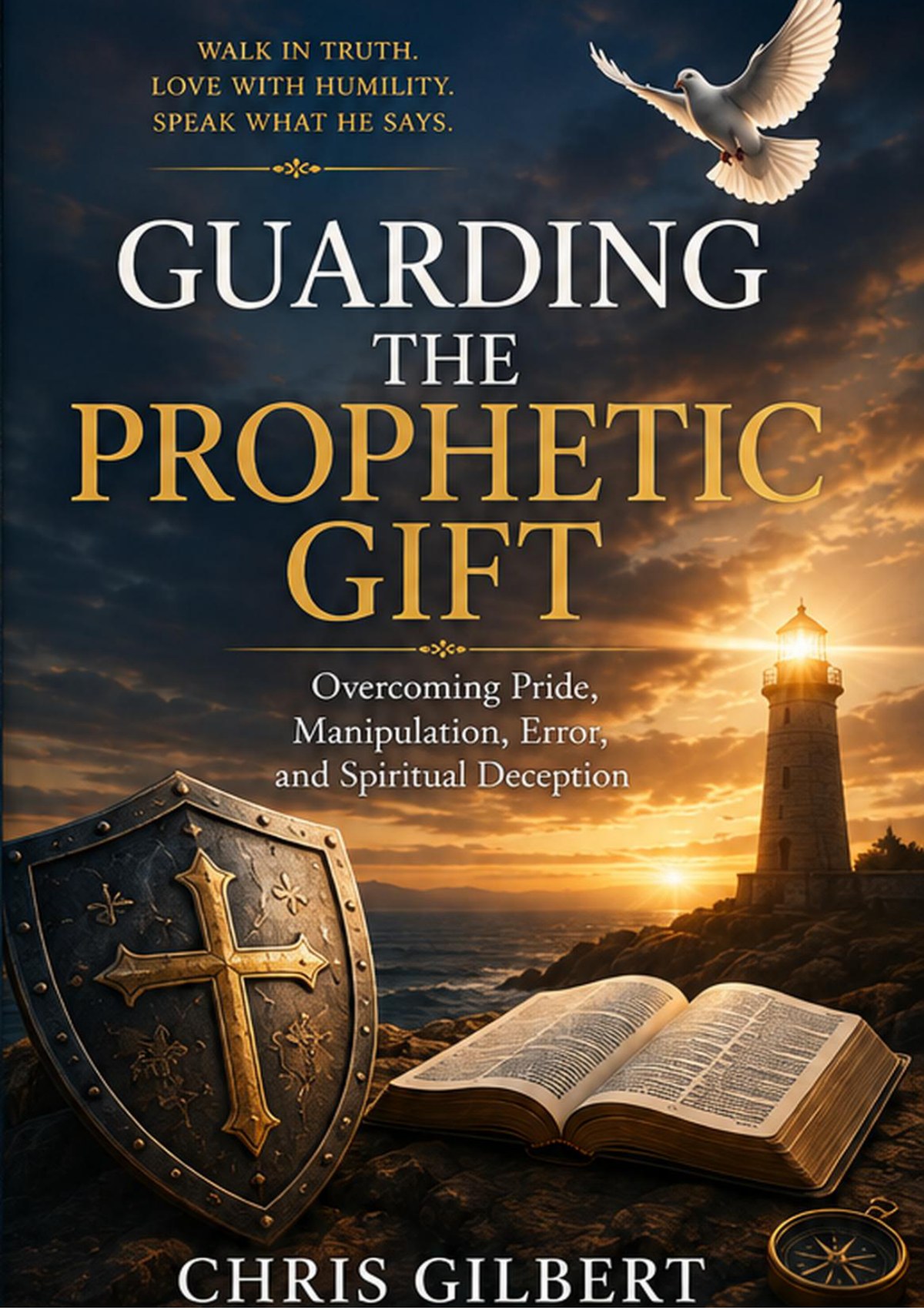
Guarding the Prophetic Gift
Overcoming Pride, Manipulation, Error, and Spiritual Deception
Chris Gilbert · 285 pages
A gift can be real and still be mishandled. This Scripture-first guide trains prophets and churches to receive humbly, test carefully, speak proportionately, and remain accountable — so pride, manipulation, error, and deception cannot hijack the gift.
GH₵149.00
WhatsApp to a pastor
Pastor / prayer leader —

This week’s theme: Safeguarding.

*Guarding the Prophetic Gift* by Prophet Chris Gilbert (Spirit Impart Ministries).

The gift is not safer because we are sincere. It is safer because we are submitted.

Free sample on the page. Full edition unlocks after MTN MoMo in Ghana or Liberia.

https://lumenpressbooks.com/books/guarding-the-prophetic-gift
Pulpit line
This week we commend Guarding the Prophetic Gift by Prophet Chris Gilbert — Spirit Impart Ministries. Free sample at lumenpressbooks.com. Pay with MTN MoMo.
Sample
Read or write a review of this book
Introduction: Why Guard the Prophetic Gift?
A gift can be real and still be mishandled. That sentence is one of the most important starting points for prophetic formation. The presence of gifting does not remove the need for character; it increases it. Influence amplifies what is already present in the person who carries it. Humility can make a gift safer. Pride can make the same gift more dangerous. Accountability can clarify a calling. Isolation can distort it. The New Testament holds together desire and discernment. Paul urges believers to pursue love and desire spiritual gifts, especially prophecy, while also ordering prophetic speech, requiring others to weigh it, and placing every gift inside the larger ethic of love (1 Corinthians 12-14). This balance has been emphasized by interpreters across traditions: openness to spiritual gifts does not eliminate the need for theological boundaries, communal discernment, and pastoral order (Carson, 1987; Fee, 2014; Grudem, 2000; Thiselton, 2000). Four risks receive sustained attention in this book. Pride shifts attention from God to the gifted person. Manipulation uses spiritual authority to control choices or secure loyalty. Error confuses sincere impressions with infallible certainty. Spiritual deception exploits supernatural language while resisting the tests of Scripture, Christlike character, truth, and fruit. These risks can overlap. A proud minister may become less teachable; reduced teachability can increase error; repeated error can then be hidden through manipulation. Guardrails interrupt that cycle. The answer is not to become afraid of every impression. The answer is to become disciplined. Scripture, prayer, humility, evidence, wise counsel, consent, documentation, correction, safeguarding, and love form an in
The full edition unlocks in your library after payment.